


Meet the Artist: Comhghall Casey on keeping titles to a minimum, and getting on with the work
July 11, 2026
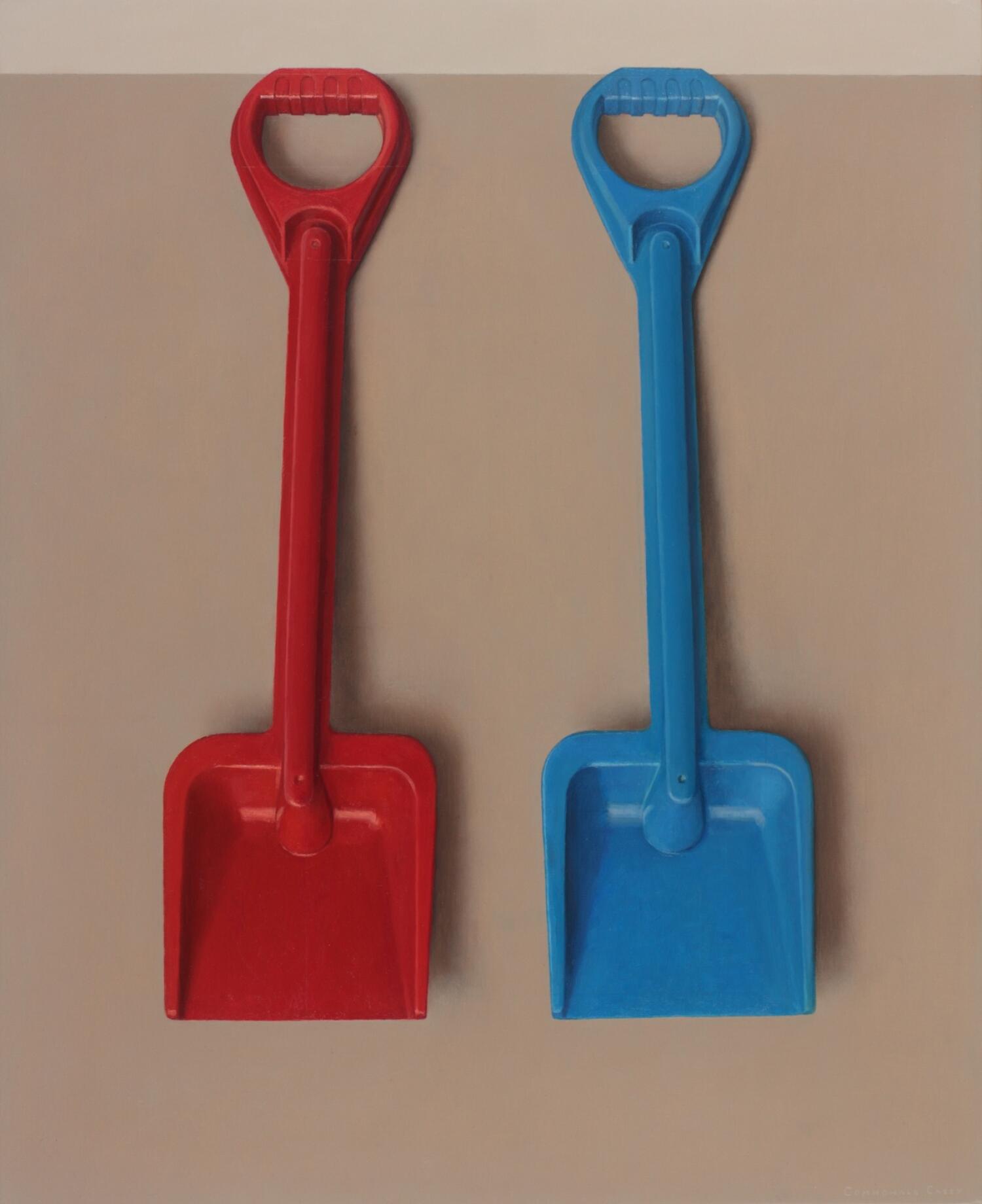
Two Sandcastle Spades by Comhghall Casey
Comhghall Casey grew up in Omagh in Co Tyrone before studying fine art at the University of Ulster, Belfast. Since graduating, he has lived and worked in Dublin.
Renowned for his exquisitely observed small scale oil paintings, Casey transforms everyday objects, from fruit and vegetables to children's toys, into quietly compelling stilllifes.
Set against simple, neutral backgrounds, these familiar subjects are elevated through exceptional technical precision and an acute sensitivity to light, texture and form, often evoking a sense of nostalgia.
A solo exhibition titled New Paintings by Casey runs until July 18 at the Solomon Gallery in Dublin, solomonfineart.com.
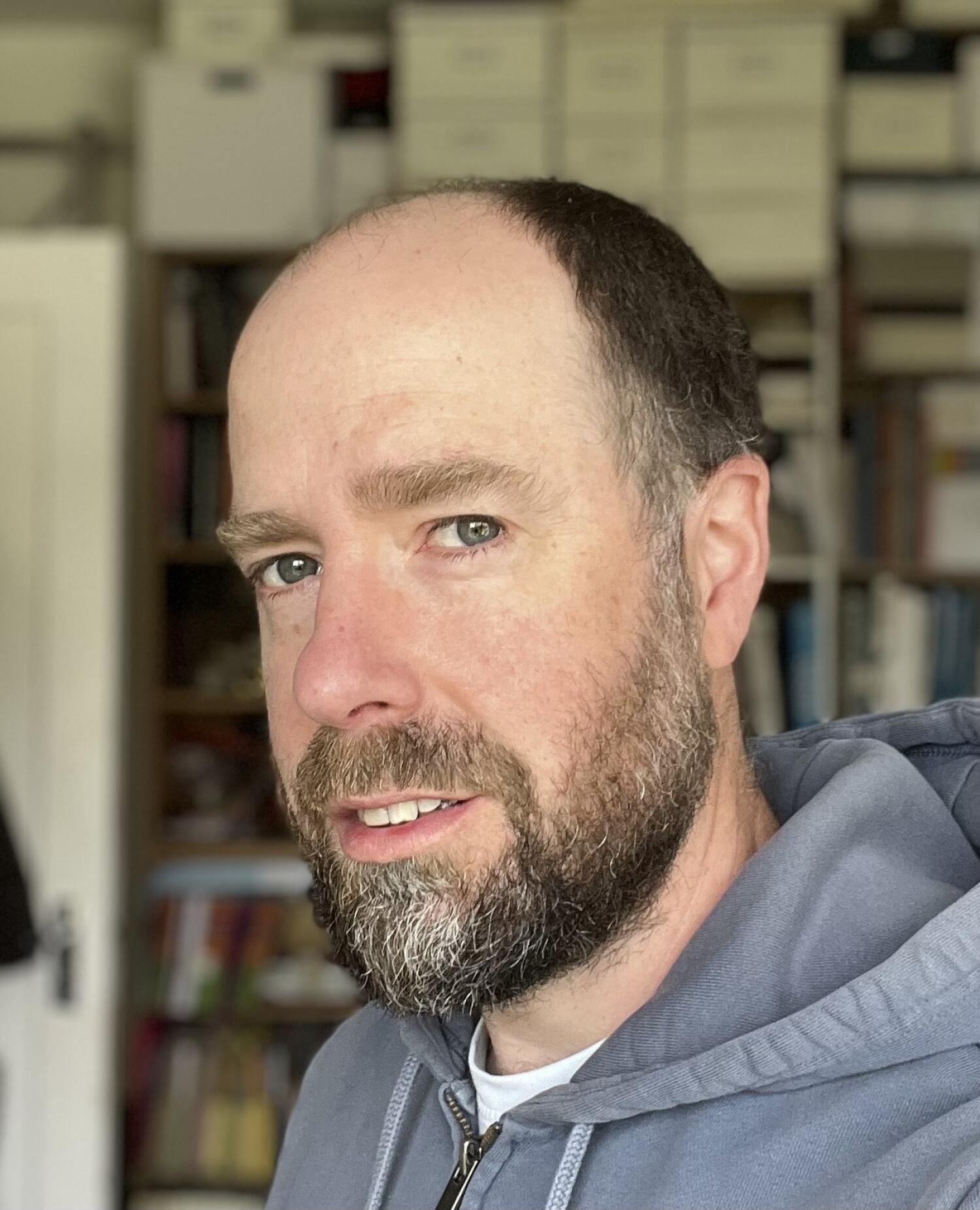
Comhghall Casey
How did your artistic journey begin?
When I was eight years old, our primary school class went for a nature walk and had to bring something back to the class to draw. I drew a poppy in coloured pencil. This was the first time I had drawn something that was in front of me, an observed drawing.
I remember a feeling of looking at the poppy and then looking at the drawing and getting the same feeling from looking at the poppy as I got from looking at the drawing.
There was a kind of a magic to that and a satisfaction that this poppy would disappear but through the drawing the experience of looking at it remains. That's very much how I think about my work now.
Where did the title for your current show come from?
I try to keep titles to a minimum, hence New Paintings. That’s really avoiding a title at all. I’m not that interested in titles, in verbal language. I don’t want to direct people to particular meanings or inferences.
What do you want your audience to feel when visiting the exhibition and viewing your work?
I don’t want to direct the audience as to how they should feel. I’m selecting objects and painting them in a way that elicits a response in me. I think that the resulting paintings hold the potential of communication with other people.
The viewer will bring their own meanings and associations to the work which will complete the painting for them.
What’s something you wish people asked you about your art, but rarely do?
Will your paintings be relevant in the future? A month, a year, a century, longer? I think about the longevity of the images. I think the simplicity of approach and universality of subject matter – food, rocks – mean the paintings will be visually legible far into the future.
What’s the most valuable investment of time, money or energy you’ve made in your career?
Entering my work into open exhibitions such as the RHA and RUA Annual shows. These were a great way to get large number of eyes on the paintings, and they were a springboard at an early stage of my career.
A place that means a lot to you other than your studio?
I live in Dublin with my wife, our two children and our dog. Our house and garden is the place, although the studio is a room in the house so I’m not sure if that counts. But that is where our family is, so it is the core place.
I feel that the central importance of the domestic space is reflected in many of the objects I choose to paint.
What’s the biggest misconception people have about being an artist today?
That you’re doing something you enjoy so it’s a relaxed way of life. I do appreciate being able to spend my time painting and wouldn’t change that, but as with any full-time job, it can be demanding.
How do you see technology reshaping the art world?
I think the knowledge that the work is created by a human is part of the deal when people look at paintings. This unique quality of work created by an individual human will be emphasised in a world of AI, so AI will strengthen the producers of painting and sculpture.
If you could disrupt one thing about the art world, what would it be?
I have found that social media has given me access to international figurative visual artists that I would otherwise not have been aware of, and whose work I now admire and learn from.
While international artists are shown in public galleries in Ireland, they would rarely be artists working in a representational style. These artists are out there. It would be good to see Irish curators taking an interest in them.
The best piece of advice I ever received?
It was from a tutor in art college – “get on with it”.

